- Home >
- Insights >
- From the streets of london to global governance connecting the dots on community climate action
- Author:
- Canning Malkin
- Date:
Connecting the dots on community climate action at London Climate Action Week
At this year's London Climate Action Week, one message came through again and again: communities are already organizing their own responses to the climate crisis. What's missing is a way to connect them globally.
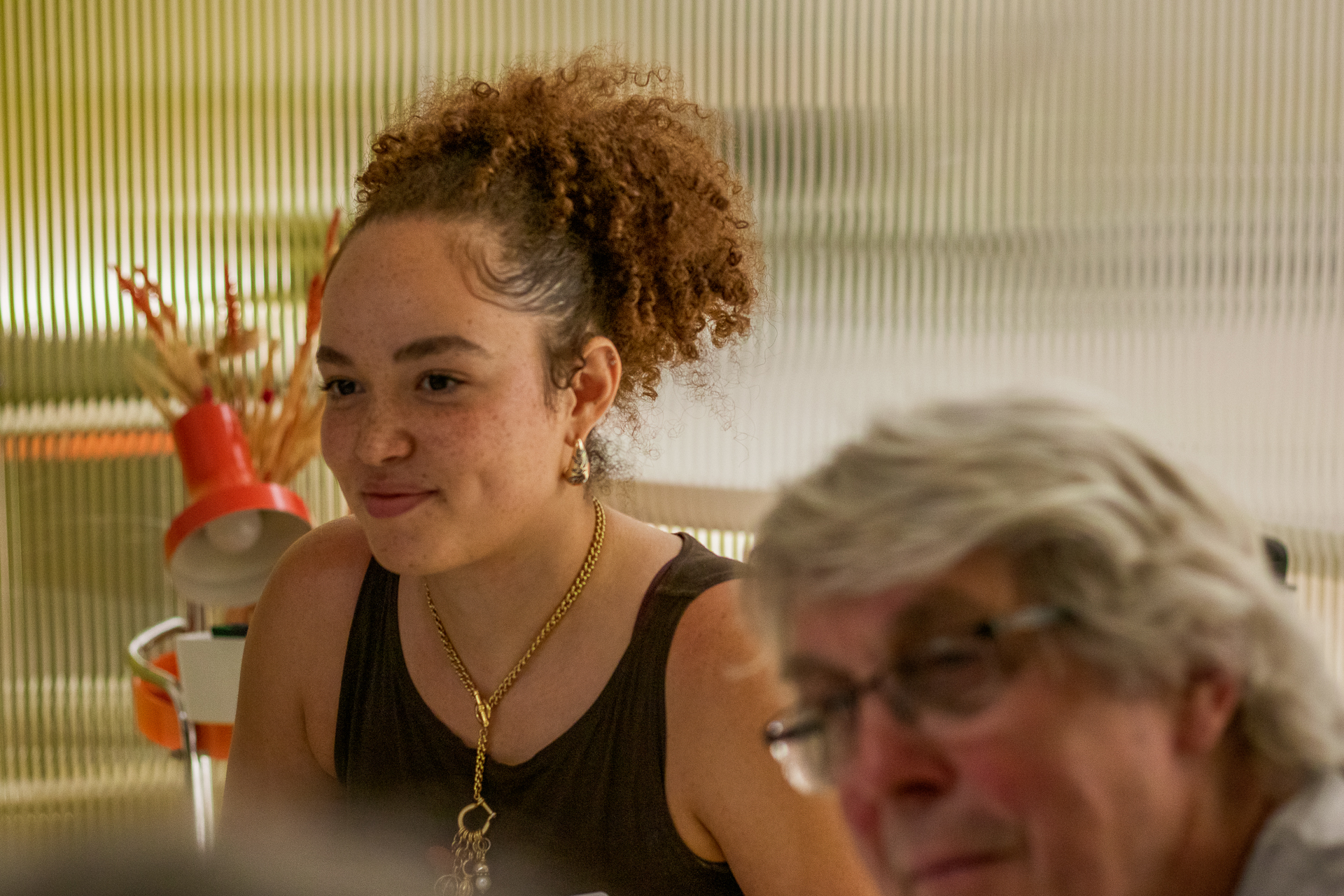
London hit nearly 40°C during June’s London Climate Action Week. The heat of the days was matched by the fervor of participants. For the second year in a row "community" and "local" were spoken about more often than "multilateralism" and "global", at least in a positive framing.
At E3G's Climate Governance Forum, former US Energy Secretary Gina McCarthy made it clear: the US federal government may not be a reliable partner right now, but governors and mayors across the country are taking up the mantle. This felt like an affirmation of the work we’ve been doing at the Global Citizens’ Assembly: activation and support for local-level climate action feeding directly into global governance processes.
The energy in the room
Across the board, there was excitement for our theory of change and how we implement it. At Solutions House, we joined a panel on community and sub-national climate work around the world. The pattern was consistent: communities are organizing themselves, often without waiting to be asked by any government or authority.
Nowhere was that clearer than at the London People's Assembly on Food, Nature and the Right to Grow, a community assembly supported by the Global Citizens’ Assembly and the Assemblis platform. More than 100 Londoners came together for an evening of deliberation. They were there to shape local action on the right to grow, and find new ways to work together for change. Their recommendations were received by Mete Coban, London's Deputy Mayor for Environment, who stated his commitment to building a greener, healthier and more resilient London for everyone.
Our team was in the room and the energy and enthusiasm were palpable. People were excited to have an opportunity to make change happen, and many came up to the team and asked how they could run an assembly of their own.
Connecting it all
Across London during that hot week, a consistent thread ran through conversations. Civil society groups, businesses, and government officials alike talked about place-based governance as a response to rising authoritarianism and isolationism. The potential for a global governance system rooted in lived experience, coming together, and self-efficacy felt undeniable. What is currently missing is an effective way to join up local community action around the world, and ensure it feeds into regional, national and international governance processes.
That's where a platform like Assemblis comes in. Individually, a community assembly on food growing in London can only go so far. When connected to hundreds and thousands of other community actions, and to the advocacy and a strategy that can carry their outputs into global processes like COP, they start to look like the outline of a different kind of global governance. One built from lived experience and self-organization, rather than vested interests.